Service Dog Coaching
Professional support for owner-led service dog training.
About Service Dogs In the Yukon
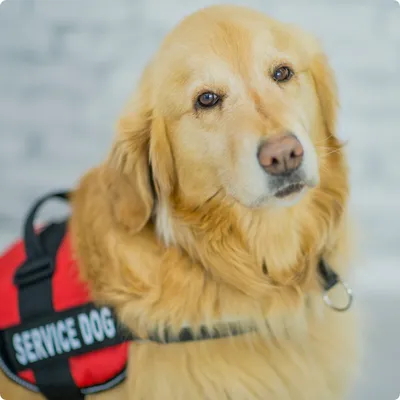
Service dogs in Canada are recognized through human rights and accessibility legislation, not through a national certification system.
There is no federally regulated definition, training standard, or official “service dog certification” in Canada, and requirements vary by province and territory. In the Yukon, service dogs are protected as disability-related accommodations rather than through a licensing or certification process.
Wise Canine provides service dog coaching and training support, but does not certify dogs as service dogs. A service dog is generally understood to be a dog individually trained to perform specific tasks that mitigate a person’s disability. Service dogs must be safe, under control at all times, and should not disrupt or disturb other people or animals. Not all dogs are suitable for this type of work.
Wise Canine offers coaching for service dogs focused on mobility assistance, psychiatric assistance and hearing assistance.
We highly recommend learning more about service dogs in Canada by visiting the Canadian Association of Professional Dog Trainers Service Dog Division page, containing information on service dogs in Canada.
Meet Your Service Dog Coach
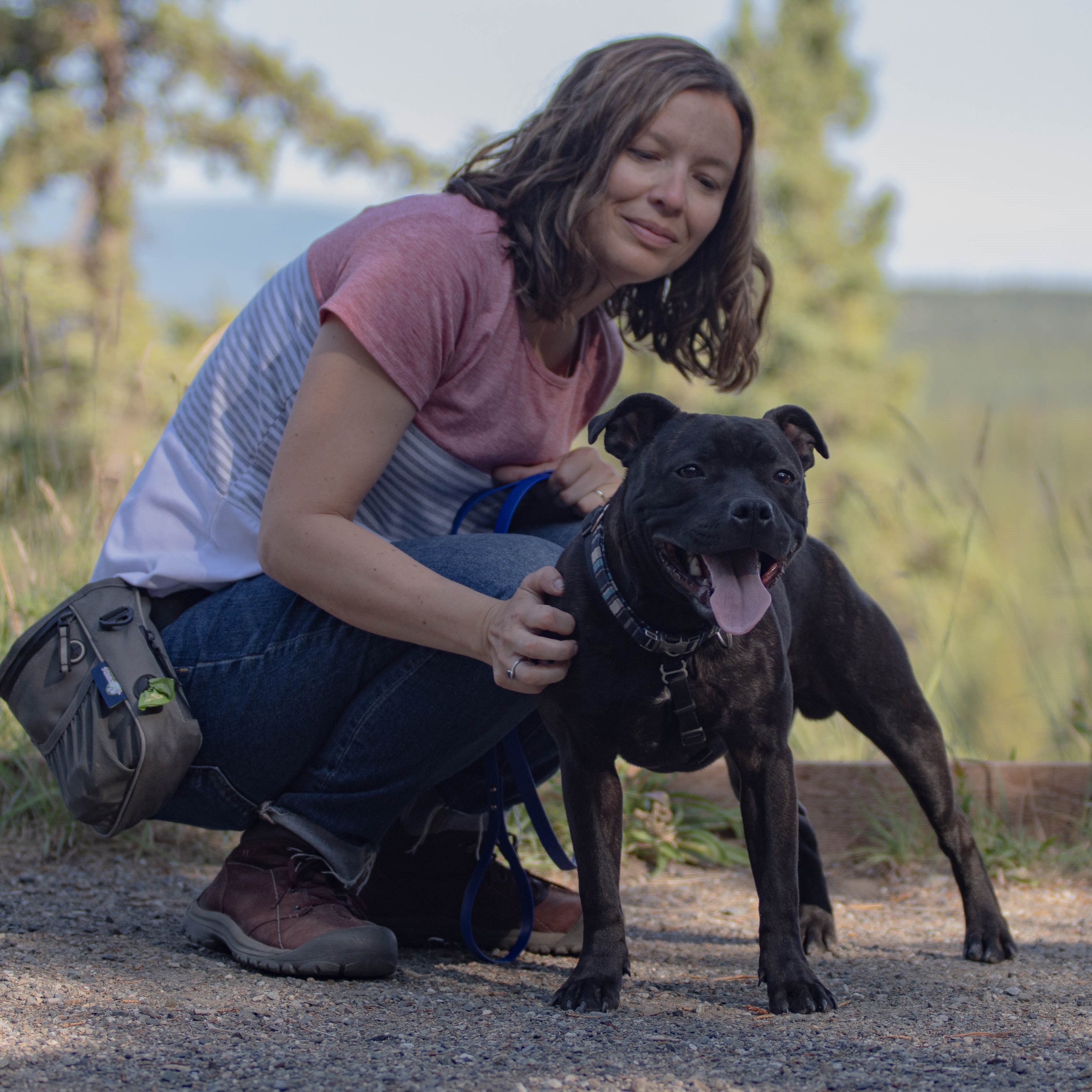
Michelle Wieser is a Certified Service Dog Coach (SDC™) through Cooperative Paws, helping owner-led teams train service dogs using ethical, evidence-based methods.
The SDC™ program, created by service dog expert Veronica Sanchez, trains experienced professional dog trainers to support people with a wide range of disabilities. Since 2017, it has certified over 170 trainers worldwide.
In addition to her certification, Michelle serves on the Service Dog Committee for the Canadian Association of Professional Dog Trainers (CAPDT). Her training and professional involvement ensure she can guide teams safely, effectively, and confidently through the challenges of service dog training.
Requirements for Service Dog Coaching
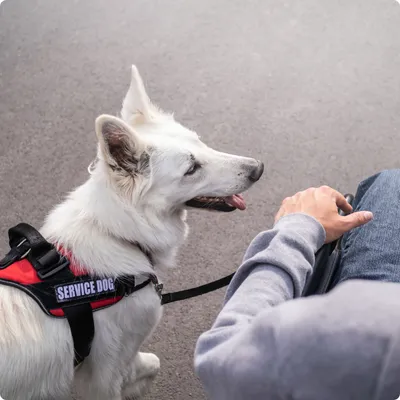
Service dog training is a long-term commitment and requires suitability from both the handler and the dog. To work with Wise Canine, the following requirements must be met:
Handler/Owner Requirements:
Support from a licensed healthcare provider for the use of a service dog
21 years of age or older
Ability to commit to long-term training (often 1–2 years or longer)
Time and consistency to practice skills regularly between lessons
Realistic expectations regarding outcomes; some dogs may only be suited for in-home or pet-friendly environments
Understanding that up to 50% of service dog candidates are not able to complete public access training
Be willing to wait until your dog’s skills are properly assessed before using service dog identification or bringing them into public places where dogs aren’t allowed
Dog Requirements:
No history of aggression toward people, dogs, or other animals
Stable temperament with no severe behavior concerns (such as significant fear or separation anxiety)
Physically healthy and under 4 years of age
Enjoy learning and be motivated by training
Dogs must not have been previously trained with aversive or dominance-based methods, such as prong, choke, shock collars, or harsh corrections
Breeds or mixes commonly successful in service work (such as Labradors and Golden Retrievers) may be more likely to succeed, though all dogs are assessed individually
Service Dog Coaching Application Process
Step 1: Initial Consultation
We start with a 60-minute virtual consultation to answer your questions, gather information about you and your dog, and provide guidance and recommendations to get started. Fee: $130
Step 2: Dog Evaluation
Next is a 60-minute evaluation to assess your dog’s suitability for service work, observing how they respond to minor stressors in a new environment. Fee: $130
Step 3: Service Dog Training
If your dog is suitable, training begins. This process typically takes 1–2 years or longer, with weekly or biweekly private lessons to develop essential service dog skills. Cost: $130 per lesson.
Step 4: Follow-Up Support
Ongoing support helps maintain your dog’s skills throughout their working career, with lessons scheduled at longer intervals as your dog progresses—from monthly to every 3–6 months as needed.
Need more details? Get in Touch.
I'm here to help. Contact me by email or social media.