PARVO INFORMATION FOR PUPPY OWNERS
How to keep your puppy safe from Parvovirus in the Yukon.
Our Approach to Parvovirus Safety
While we take extensive precautions, no environment can be completely risk-free. Parvovirus is present in the Yukon and can survive in many environments. Additionally, individual puppies vary in their immunity. That said, we are committed to reducing risk as much as possible while still supporting critical early socialization and training.
Puppies are not fully protected until after their 16-week vaccine. However, early training and socialization are essential during this period—waiting too long can lead to long-term behavioral challenges.
Our safety practices include:
Proof of vaccination required for all puppies attending classes or playgroups.
Puppies must wait at least 7 days after their first DAPP (parvo) vaccine before attending our classes to allow time for initial immune response.
Floors, toys, and equipment are thoroughly cleaned after puppy classes using a veterinary-grade hydrogen peroxide disinfectant.
Outdoor shoes are not worn inside the training space as they can track in contaminants such as Parvo.
Indoor potty accidents are spot-cleaned immediately using veterinary-grade disinfectant.
Weekly reminders are sent cautioning puppy parents to monitor their puppies for illness and to stay home if concerns arise.
Puppies who have been sick with Parvo must wait 28 days after symptoms resolve before attending classes.
You can help keep all puppies safe by:
Notifying us of, or cleaning up potty accidents promptly in our training space using the provided Prevail disinfectant (leave wet for 1 minute before wiping)
Washing your hands thoroughly after cleaning potty accidents
Wearing clean indoor shoes in our facility
Ensuring your puppy receives their recommended vaccinations and boosters
Avoiding contact with unvaccinated dogs or puppies
Keeping your puppy home if they’re ill
Avoiding high-risk areas areas where dogs frequently eliminate until your puppy is fully vaccinated (usually after 16 weeks)
This includes avoiding: dog parks and areas where dogs frequently eliminate (such as Canine Bluffs Off Leash Park, Rotary Park, or Shipyards Park)
What is parvovirus?
Parvovirus (Parvo) is a highly contagious virus that attacks the intestinal tract of dogs.
It is a serious and potentially deadly disease, especially for unvaccinated puppies.
It causes severe vomiting and diarrhea.
The virus is extremely hardy and can survive in both extreme heat and subzero temperatures.
Parvo is present in the Yukon and should be taken seriously.
How do dogs get parvovirus?
The most common source of infection is contact with the feces of an infected dog.
The virus can also be carried into your home on shoes, clothing, or hands.
Puppies may become infected by licking or ingesting contaminated surfaces or objects.
Puppies are most susceptible
Puppies are at higher risk because their immune systems are still developing.
Puppies under 5 months of age are the most severely affected and hardest to treat.
Risk is higher in puppies from unvaccinated mothers or unclean environments.
Signs of parvovirus infection
Signs typically appear 5–7 days after exposure. If you notice any of the following, contact your veterinarian immediately:
Vomiting
Diarrhea (sometimes bloody or foul-smelling)
Lethargy
Depression
Loss of appetite
Fever
How is parvovirus treated?
There is no medication that directly kills the virus.
Treatment focuses on supportive care to manage symptoms and give the puppy the best chance to recover.
This may include:
Fluids to correct dehydration and electrolyte imbalances
Antibiotics to prevent secondary infections
Medication to control vomiting and diarrhea
Immediate veterinary care is critical
If your puppy has been diagnosed with Parvovirus and has attended group classes or been around other dogs, please notify us and the owners of any exposed dog right away so we can take appropriate precautions.
Vaccines are key
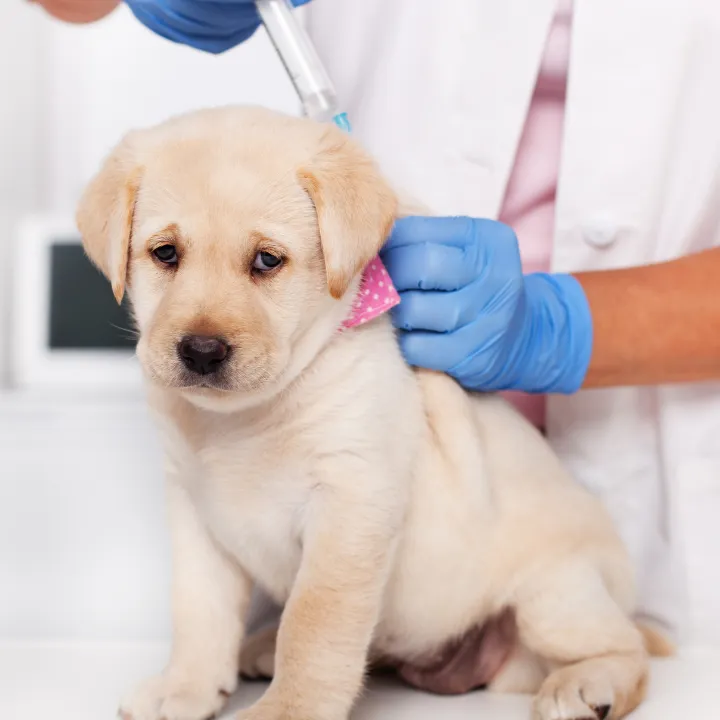
Vaccination is the most effective way to protect your puppy from Parvo.
The vaccine used is called DAPP.
Booster vaccines are essential to maintain protection.
Need more details? Get in Touch.
I'm here to help. Contact me by email or social media.